








How thick can the SMB cut? - The Simple Rule to Follow
If you've ever stood over a piece of plate steel wondering whether your bit is actually going to make it through, or worse, watched a bit stall out halfway and start burning instead of cutting, you already know that picking the right sheet metal drill bit size isn't just about matching the hole diameter you need. It's about matching the bit to the material thickness you're cutting.
Good news. there's a simple rule of thumb that takes the guesswork out of it, and it works whether you're drilling mild steel, aluminum, brass, or stainless.
Why Bit Size Matters More Than You Think
A lot of drilling problems that look like a "bad bit" problem are actually a "wrong bit for the thickness" problem. Push a bit into material it's not built to handle, and you get bogging, burning, and a chewed-up exit hole instead of a clean one. Get the sizing right, and the same bit will cut through metal with a crisp, clean edge. No burrs, no drama.
The Rule of Thumb for Cutting Metal
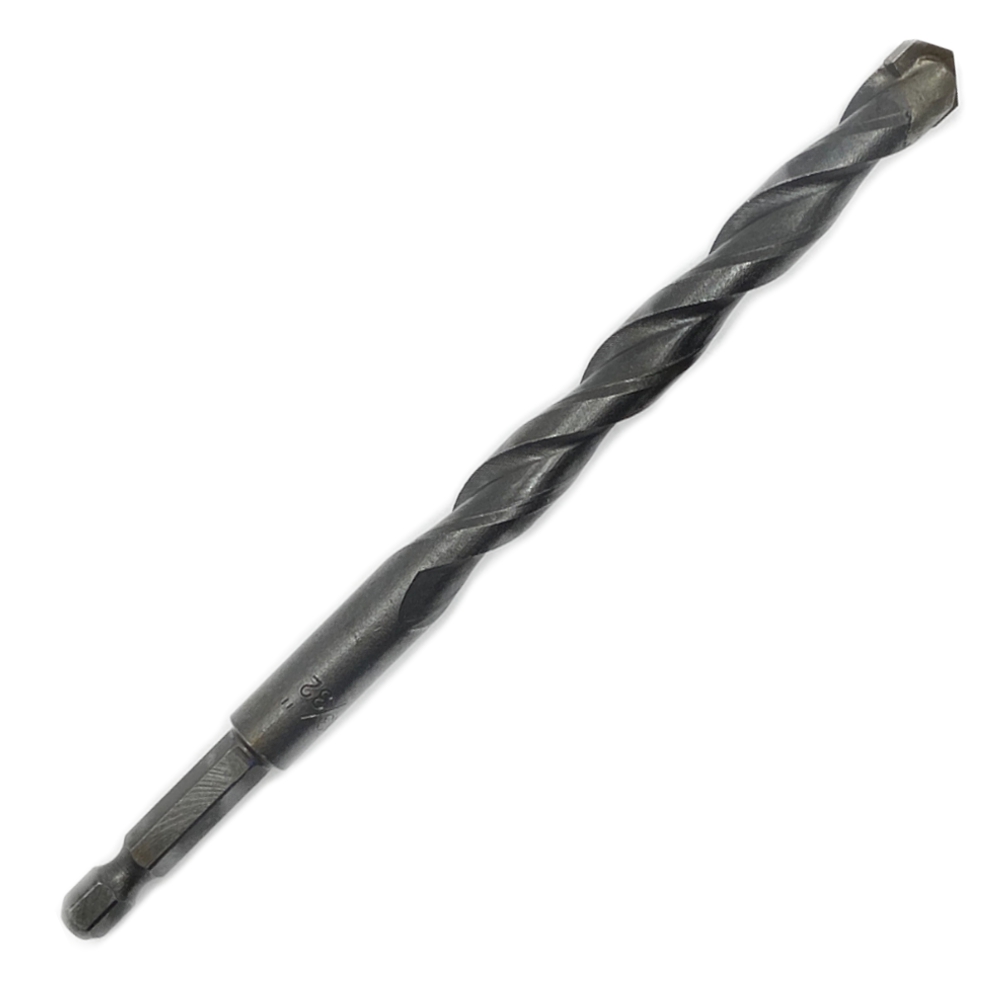
The rule is straightforward: you want to be cutting metal no thicker than the length of your bit's tip.
That means:
- A 1/2" bit can handle at least half an inch of plate
- A 3/32" bit is good for roughly an eighth inch of sheet metal
Match the tip length to your material thickness, and the bit will do its job the way it's designed to.
What About Plastic and Wood?
If you're drilling plastics, woods, or other softer materials, you don't need to worry about this thickness rule at all. These bits will blow right through them regardless of thickness, and they leave a nice, clean, crisp edge on the exit side. The thickness rule is specifically a metal-cutting consideration.
Quick Reference: Bit Size to Max Material Thickness
| Bit Size | Max Metal Thickness |
|---|---|
| 3/32" | ~1/8" sheet metal |
| 1/8" | ~1/8"+ sheet metal |
| 3/16" | ~3/16" plate |
| 1/4" | ~1/4" plate |
| 3/8" | ~3/8" plate |
| 1/2" | 1/2" plate |
Rule of thumb: match bit tip length to material thickness. Non-metal materials (plastic, wood, composites) aren't limited by this rule.
Why Bad Dog Cobalt Bits Hold Up to This Rule
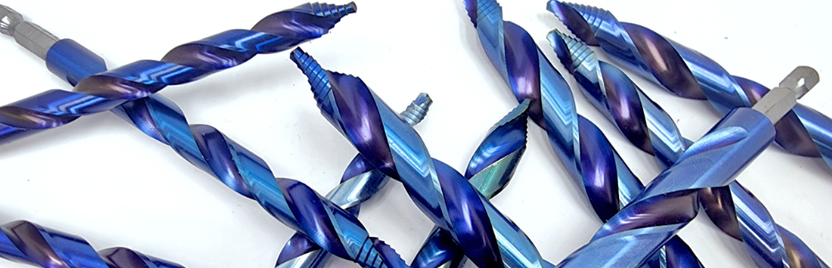
Not every bit gives you a clean result at the edge of its rated thickness. A lot of bits start to burn or bog down before they get there. Bad Dog's Sheet Metal Bits are solid cobalt with a multistep, self-centering tip that starts fast and minimizes backside blowout and burring as it exits the material. That's what lets you rely on the tip-length rule and still walk away with a clean hole, not a ragged one.
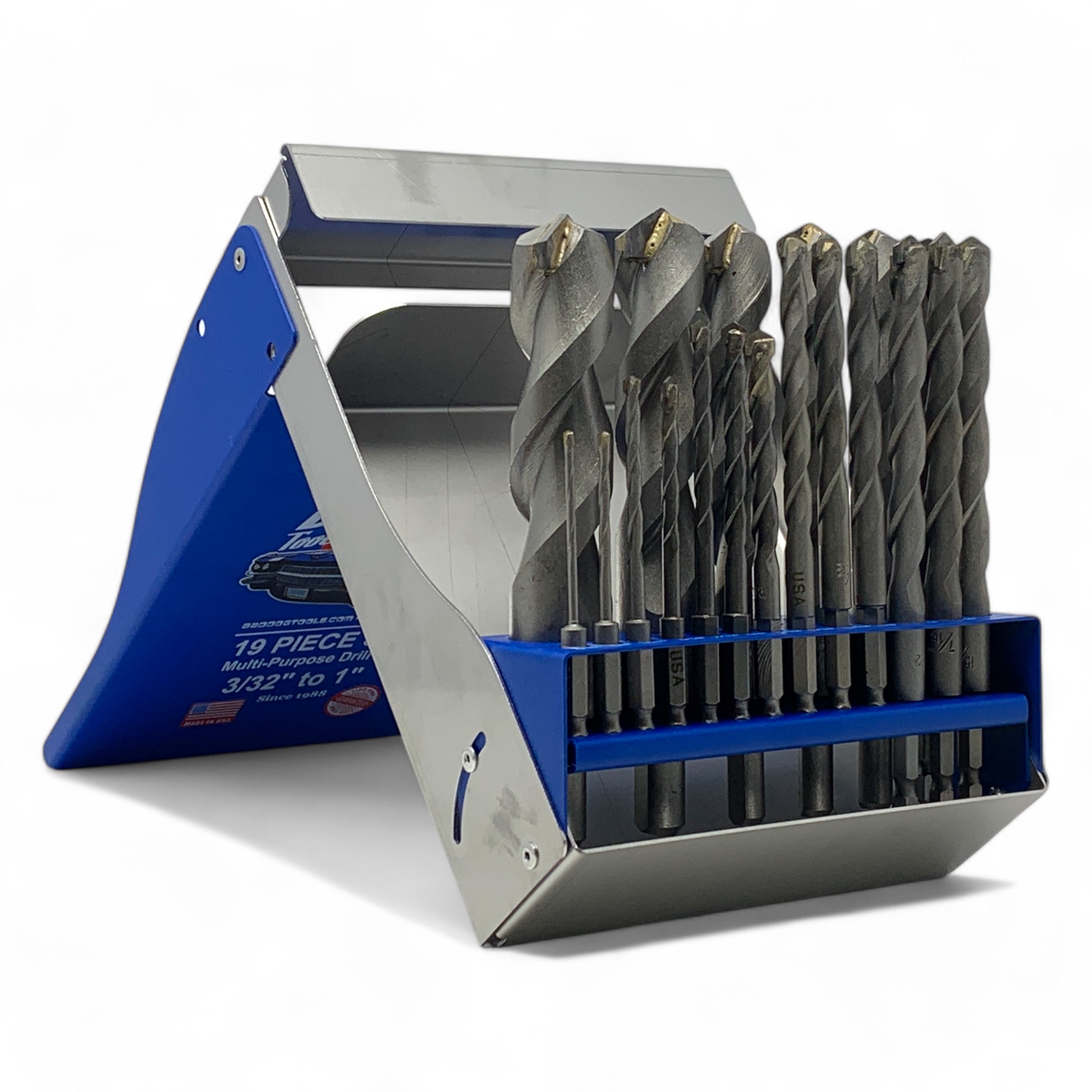
They're built with a 1/4" hex shank, so they won't spin out in your chuck and they work directly in impact drivers, wich is useful if you're moving between holes on a job site and don't want to keep switching tools. They're rated across mild steel, aluminum, brass, stainless steel, plastic, wood, laminate, and solid surface materials, and they come in sizes from 3/32" up to 1/2" so you can match the bit to whatever thickness you're working with.
Bad Dog has been making drill bits in the USA since 1988. Over 6 million produced. Every bit, including these, comes backed by a lifetime guarantee: if it dulls or gets damaged, we repair or replace it. You just cover return shipping.
Get the Right Bit for the Job
Stop guessing on bit size and start matching tip length to material thickness. Backed by a lifetime guarantee, made in the USA.
SHOP BAD DOG SHEET METAL BITSFrequently Asked Questions
How thick of metal can a drill bit cut?
As a rule of thumb, our sheet metral bits can cut metal up to the length of its tip. So a 1/2" bit can handle plate up to about half an inch thick, and a 3/32" bit is suited to roughly an eighth-inch sheet metal.
Does bit size matter for drilling plastic or wood?
Not in the same way. Unlike metal, plastics and woods don't require you to match bit tip length to material thickness. A properly sized bit for your hole diameter will blow through them and leave a clean, crisp edge.
What size drill bit do I need for sheet metal?
Match your bit's tip length to the thickness of the sheet metal you're cutting. For typical 18-gauge sheet metal (about 1/8" thick), a 3/32" to 1/8" bit is a solid starting point.
Are cobalt drill bits better for metal?
Solid cobalt bits are built to hold up under the heat and resistance of cutting metal, which helps them cut cleanly without burning out. Especially important as you approach the thickness limit for that bit size.
What's the hex shank for on these bits?
The 1/4" hex shank keeps the bit from spinning in the chuck and lets it work directly in impact drivers, which is handy for jobsite work where you're switching tools often.
Written by Joseph Strong on 29th Jul 2026 I’m JJ Strong, a mechanical engineer and third-generation tool designer at Bad Dog Tools, our American-made, family-run company built on durability and innovation. I grew up hauling booths and talking tools at trade shows before I could even drive. Now I design and build and improve our next generation of lifetime-guaranteed tools - our custom induction brazing system to our precision sharpening technology. On weekends, you’ll find me restoring my ’86 Land Rover Defender or ’54 Jaguar XK120 and seeing just how much I can build (or break) with Bad Dog Tools.