






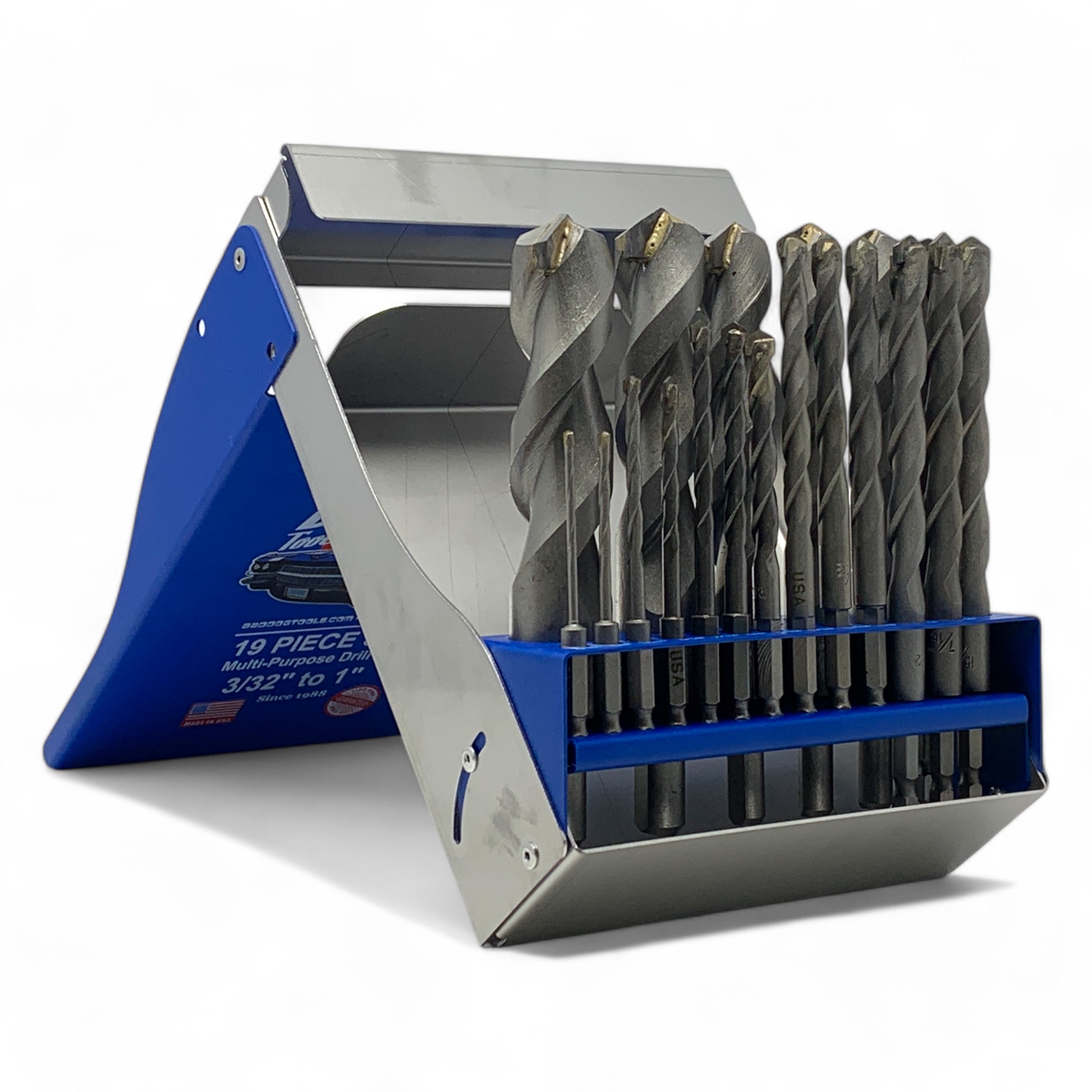


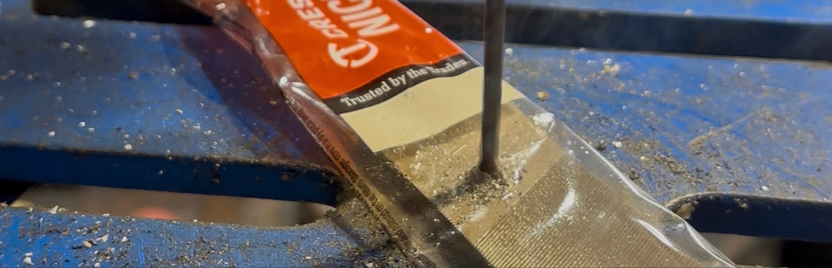
Carbide Drill Bits for Metal: Stop Burning Through Bits That Quit After One Hole
If you've ever started a hole in stainless steel and watched your bit go from sharp to useless before you broke through, you already know the problem. High-speed steel and cobalt bits have limits and hard metal finds them fast. Carbide drill bits for metal exist precisely because some jobs demand a tool that won't quit. Here's why carbide is the standard in every machine shop, and why your shop floor or garage should be no different.
Why High-Speed Steel and Cobalt Bits Fail on Hard Metal
HSS and cobalt bits are fine for softer materials. But push them into stainless steel, hardened steel, or rebar and you run into the same problems every time. The tip overheats, the cutting edge dulls, and you're lucky to finish one hole.
The physics aren't complicated. These materials generate tremendous friction and heat at the tip. HSS and cobalt lose their hardness as they heat up, which is exactly when you need them most. Once the edge is gone, you're not drilling anymore, you're just rubbing metal against metal and generating more heat.
The result: you burn through bits, slow down the job, and spend money replacing tools that should have lasted longer.
Why Carbide Is the Machine Shop Standard
Walk into any machine shop and look at what's in the spindle. It's carbide. CNC machines, lathes, mills, they all run carbide tooling because it handles heat and hardness that would destroy high-speed steel in seconds.
Carbide is much harder than HSS. It maintains that hardness at temperatures that would soften a cobalt bit. It doesn't need to be babied or cooled constantly. It just keeps cutting.
The question worth asking: if carbide is standard in professional machine shops, why are you using HSS at home or in your shop?
What Bad Dog Carbide Bits Will Drill
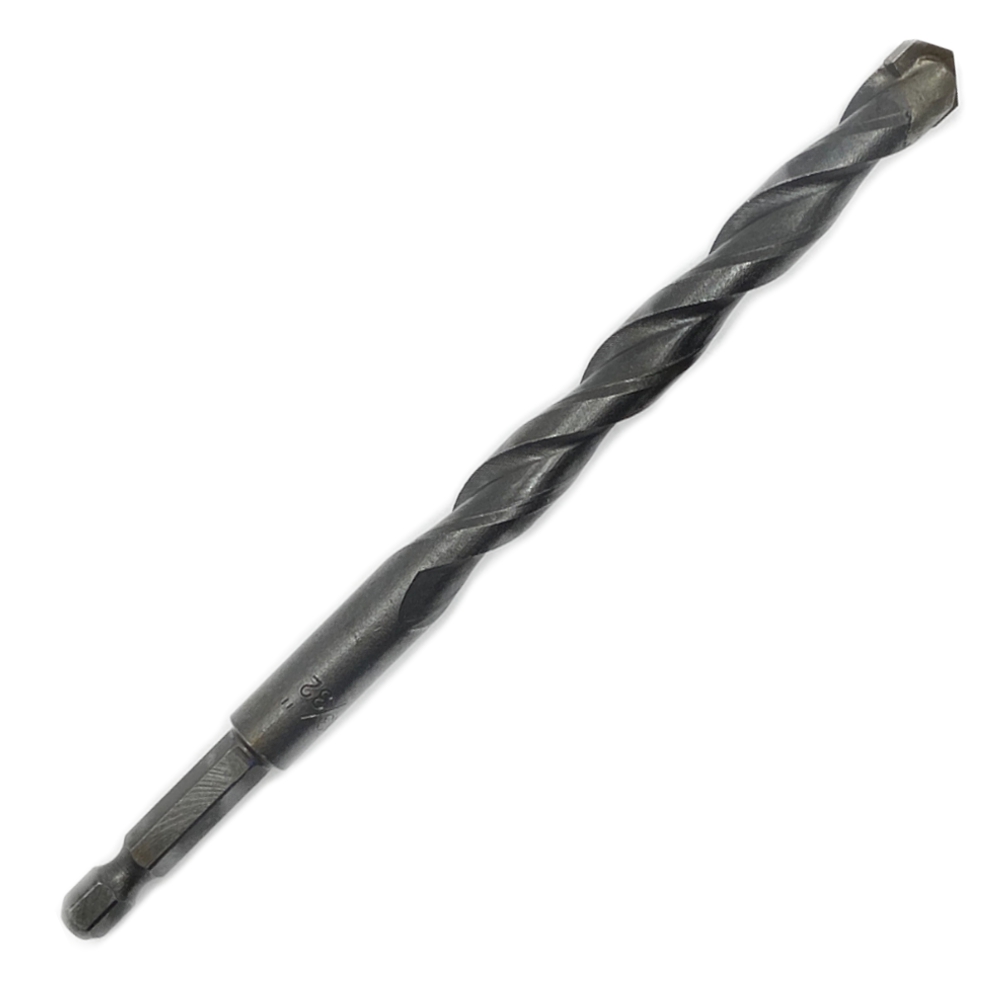
Bad Dog's multi-purpose carbide bits aren't specialty tools for one material. They're built to handle the jobs that stop other bits cold:
| Material | Result |
|---|---|
| Stainless steel | 1,000 holes, not one |
| Rebar | No pre-hardening tricks needed |
| Grade 8 bolts | Hardened fasteners aren't a problem |
| Bearing races | Hardened steel that destroys HSS immediately |
| Broken taps | One of the hardest extraction jobs — handled |
When a job calls for drilling something hard, the answer is the same every time: carbide.
The One Thing That Can Damage a Carbide Bit — And How We Guard Against It
Carbide itself is extraordinarily heat-resistant. But every carbide bit has a joint where the carbide tip meets the steel shank, and that brazing is where failure happens if the heat gets extreme enough.
Most cheap carbide bits use standard brazing that breaks down under sustained high heat. The tip loosens and can break off mid-hole.
Bad Dog bits use high-temp brazing specifically engineered to withstand the heat carbide drilling generates. It's not an afterthought, it's the part of the bit that keeps the carbide where it belongs: locked to the shank and cutting.
When You Dull It, We'll Sharpen It. Guaranteed for Life.
Carbide can be resharpened. That alone makes it fundamentally different from HSS or cobalt. Once those are dull, they're garbage.
When a Bad Dog bit dulls, send it back. We'll resharpen it free. If the carbide itself needs to be replaced, we handle that too. Your bit is guaranteed for life to drill whatever you need it to drill. No asterisks.
We've been making drill bits in Bristol, RI since 1988. Over 6 million produced, all Made in USA. The lifetime guarantee isn't a marketing line, it's the standard we've held for nearly 40 years.
Ready to stop replacing bits?
Bad Dog multi-purpose carbide bits are guaranteed for life — sharpen, replace, no questions asked.
Shop Carbide Bits →Frequently Asked Questions
Can carbide drill bits overheat?
Carbide itself is extremely heat-resistant, far beyond what HSS or cobalt can handle. The vulnerability in any carbide bit is the brazing that bonds the tip to the shank. Bad Dog uses high-temp brazing to guard against this, keeping the tip locked in place under sustained drilling heat.
How long do carbide drill bits last compared to HSS?
Carbide is roughly 1,000 times harder than high-speed steel. On hard materials like stainless steel or rebar, carbide bits can last dramatically longer, often completing jobs that would destroy multiple HSS bits.
Can carbide drill bits be resharpened?
Yes, and that's one of the biggest advantages over HSS. Bad Dog bits can be sent back for free resharpening or carbide replacement. They're guaranteed for life.
What's the hardest material Bad Dog carbide bits can drill?
The bits handle bearing races, grade 8 bolts, rebar, stainless steel, and broken taps, which are some of the hardest drilling jobs in a shop. If you're drilling metal, carbide is the right tool.
Why don't more people use carbide bits at home or in their shop?
Habit and price point, mostly. HSS and cobalt are cheaper upfront. But when you factor in how often they need replacing, and the jobs they simply can't finish, carbide costs less over time.
Written by Joseph Strong on 17th Jun 2026 I’m JJ Strong, a mechanical engineer and third-generation tool designer at Bad Dog Tools, our American-made, family-run company built on durability and innovation. I grew up hauling booths and talking tools at trade shows before I could even drive. Now I design and build and improve our next generation of lifetime-guaranteed tools - our custom induction brazing system to our precision sharpening technology. On weekends, you’ll find me restoring my ’86 Land Rover Defender or ’54 Jaguar XK120 and seeing just how much I can build (or break) with Bad Dog Tools.